October 5, 2026
Facing significant mechanical trouble presents a major dilemma for automobile owners who must choose between fixing their current ride or letting it go. Major mechanical failures often arrive without warning, forcing drivers to weigh expensive garage estimates against the convenience of acquiring another vehicle. According to Matrix Capital Markets Group, vehicles over 16 years old represented 29.3% of the U.S. vehicle population in 2025, totaling nearly 85 million vehicles. As aging automobiles remain on roadways longer, owners frequently confront crucial decisions about whether restoring a worn power plant makes practical financial sense. Determining whether to fund major car engine repair or sell an aging vehicle in its current condition requires careful evaluation of market valuation, ongoing maintenance records, future reliability, and personal budget constraints. By weighing these critical factors systematically, drivers can navigate complex mechanical crossroads with complete confidence and avoid making hasty financial mistakes that impact long-term household stability and peace of mind.
Evaluating Overall Vehicle Market Value
Determining the fair market value of an automobile before and after mechanical work forms the foundational baseline for any logical financial decision. Owners must establish what the vehicle would sell for in fully operational condition compared to its current reduced value with a malfunctioning power plant. If professional car engine repair costs significantly exceed the total fair market value of the fully restored vehicle, spending that capital rarely makes economic sense. In such scenarios, selling the automobile as-is to a specialized buyer, salvage facility, or automotive hobbyist allows the owner to recoup partial equity without taking on heavy debt or pouring capital into a depreciating asset.
Conversely, when an automobile retains substantial market value due to low mileage, desirable features, premium trim packages, or excellent overall body condition, investing in mechanical restoration often proves highly profitable. Replacing or rebuilding vital internal components can instantly restore the majority of the vehicle resale value and operational capability for many years. Comparing realistic market prices across online listing services or consulting established automotive valuation guides helps owners establish a clear budget ceiling. Understanding where the financial break-even threshold sits prevents emotional overspending on an automobile that cannot recover its invested capital upon ultimate resale or trade-in.
Calculating Direct Mechanical Maintenance Costs
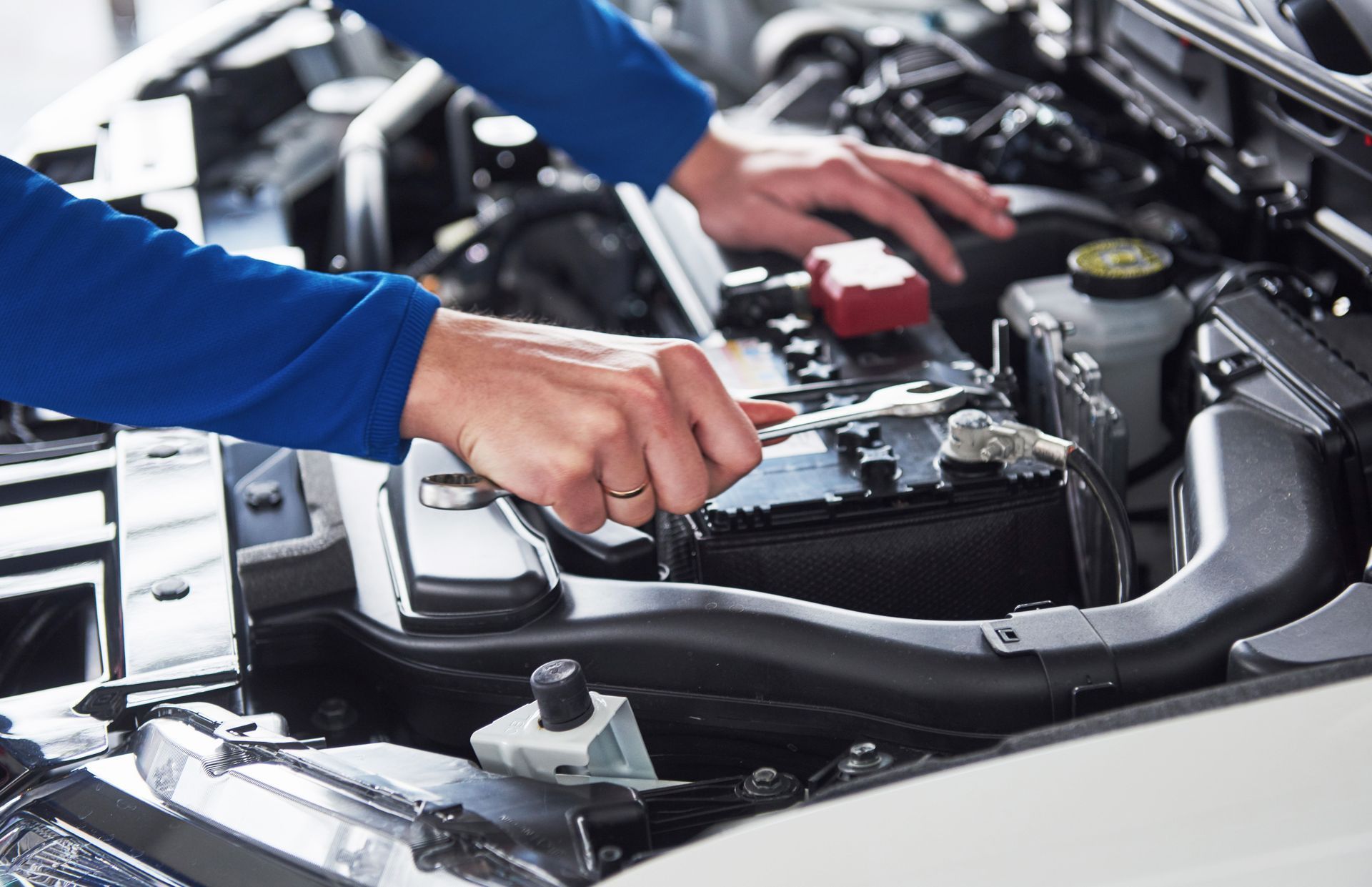
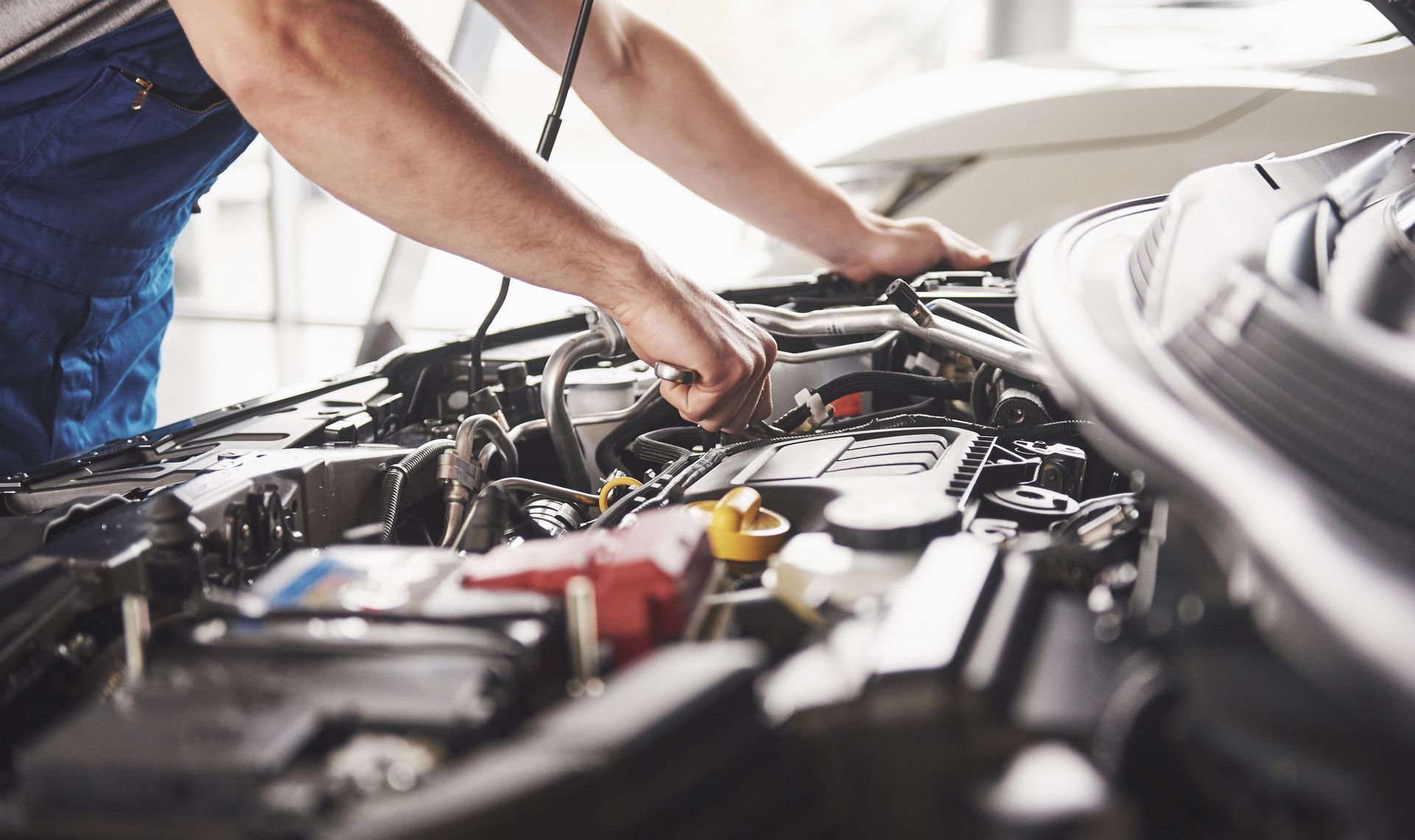
Obtaining detailed diagnostic reports from qualified mechanics is an essential step before committing to major power plant work. Professional diagnostic testing identifies whether a vehicle requires minor component replacement, complete internal machining, or full assembly replacement. A comprehensive quote for car engine repair should detail labor hours, necessary replacement parts, machine shop fees, fluid replacements, and warranty coverage terms. Comparing estimates across multiple certified service centers ensures that owners receive fair pricing and accurate repair timelines before authorizing extensive disassembly work on their primary mode of transportation.
In addition to initial estimates, owners must account for potential hidden complications that frequently arise during complex mechanical teardowns. Once technicians disassemble major mechanical assemblies, they may discover additional worn components, damaged cooling systems, clogged radiators, or compromised wiring harnesses that require immediate attention. Budgeting a financial buffer above the initial estimate protects owners from unexpected financial strain during the restoration process. If total estimated expenses surpass available funds or exceed logical financial limits, opting to sell as-is becomes the safer, clearer, and more predictable path for maintaining personal finances.
Assessing Longterm Vehicle Reliability
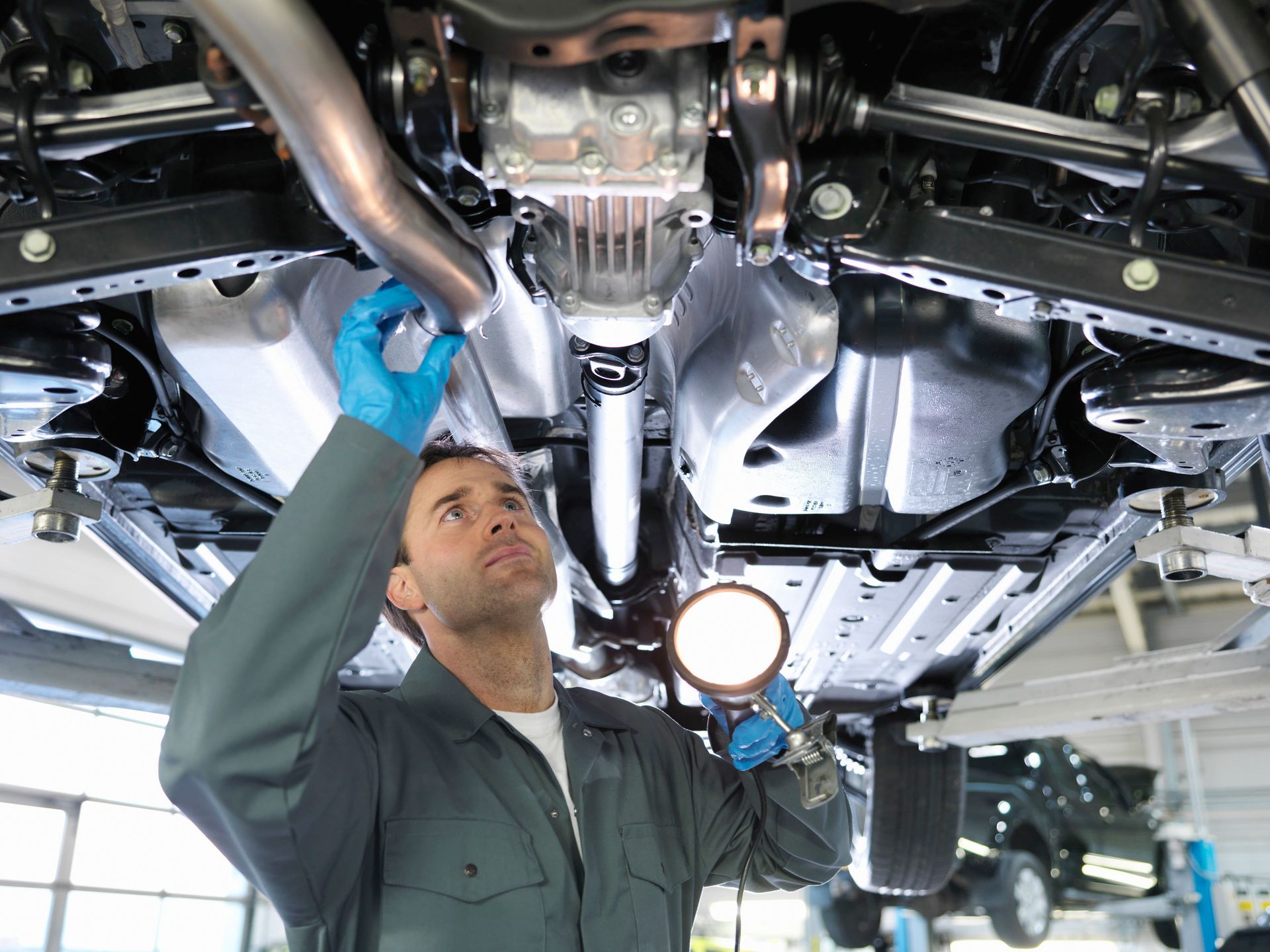
Evaluating the condition of surrounding mechanical systems is just as vital as assessing internal power plant health before making a final commitment. An automobile features complex interconnected systems, including transmissions, suspensions, braking assemblies, heating systems, and electrical networks that deteriorate over extended periods. Committing to car engine repair makes the most practical sense when the surrounding mechanical components have been well maintained and remain in robust physical condition. If the rest of the vehicle is structurally sound, safe, and free from excessive chassis rust, restoring power under the hood extends overall vehicle usefulness for many years.
On the other hand, performing extensive mechanical work on an automobile with a failing transmission, slipping clutch, severe suspension play, or deep structural corrosion often leads to persistent financial drain. Fixing power plant issues will not prevent subsequent breakdowns in unrelated, worn-out systems that are near the end of their operational lifespans. Owners should review past service records to gauge overall vehicle health before authorizing expensive work. If a vehicle has a continuous history of major system breakdowns, selling as-is eliminates the endless cycle of costly garage visits, ongoing stress, and continuous mechanical worries that disrupt daily life.
Weighing Monthly Financial Obligations
Comparing the upfront cost of mechanical work against ongoing monthly vehicle financing provides valuable financial perspective for long-term budget planning. Purchasing a replacement vehicle typically involves a substantial down payment, monthly loan installments, higher state registration fees, and increased insurance premiums. In contrast, authorizing car engine repair allows owners to maintain a paid-off vehicle without taking on multi-year debt obligations. When spread across several years of continued driving, the cost of restoring power often amounts to a fraction of new automobile financing payments, allowing households to preserve valuable monthly savings for other essential living expenses and family priorities.
However, if funding major mechanical restoration requires taking out high-interest personal loans or depleting essential emergency savings, the financial risk increases dramatically. Owners must analyze their monthly cash flow carefully to determine whether paying for major work or acquiring a reliable alternative fits better within their budget. When monthly loan payments for a replacement automobile are manageable and offer long-term operational certainty, selling the damaged vehicle as-is can be a sensible financial move. Balancing immediate out-of-pocket expenses against long-term financial health guides the choice effectively toward personal financial peace and stability.
Considering Personal Transportation Needs
Daily lifestyle requirements, commuting distances, and family transportation demands play a massive role in deciding between restoration and sale. Drivers who rely on their primary vehicle for long daily commutes require maximum reliability and minimal downtime. If authorized car engine repair can be completed quickly with comprehensive warranty protection, restoring the current vehicle gets the driver back on the road promptly. Having a clear warranty on completed work provides essential peace of mind for daily highway driving, routine errands, and long-distance travel with family members.
Alternatively, drivers with access to secondary transportation or flexible schedules can afford to evaluate selling as-is without severe disruption to their daily lives. Selling a damaged automobile as-is saves considerable time and eliminates the stress of overseeing lengthy garage projects. Owners can use the proceeds from an as-is sale along with saved repair funds to purchase a newer, more dependable automobile. Aligning the decision with personal lifestyle priorities ensures a smooth transition regardless of the chosen path. Ultimately, evaluating car engine repair versus an immediate as-is sale empowers vehicle owners to make smart choices that align with their long-term financial goals and personal needs.
Deciding whether to fund major mechanical work or sell an automobile in its current condition requires balancing financial reality, vehicle condition, and personal transportation priorities. By carefully evaluating fair market value, analyzing detailed service estimates, assessing overall chassis health, and calculating long-term budget impact, owners can make an informed choice that protects their financial security. Whether restoring a beloved ride to peak performance or letting it go to start fresh with a replacement, clarity comes from understanding the true value of your investment. If you are facing tough choices regarding your vehicle and need expert advice on your mechanical options, please reach out to our helpful team at Michigan Motor Exchange.